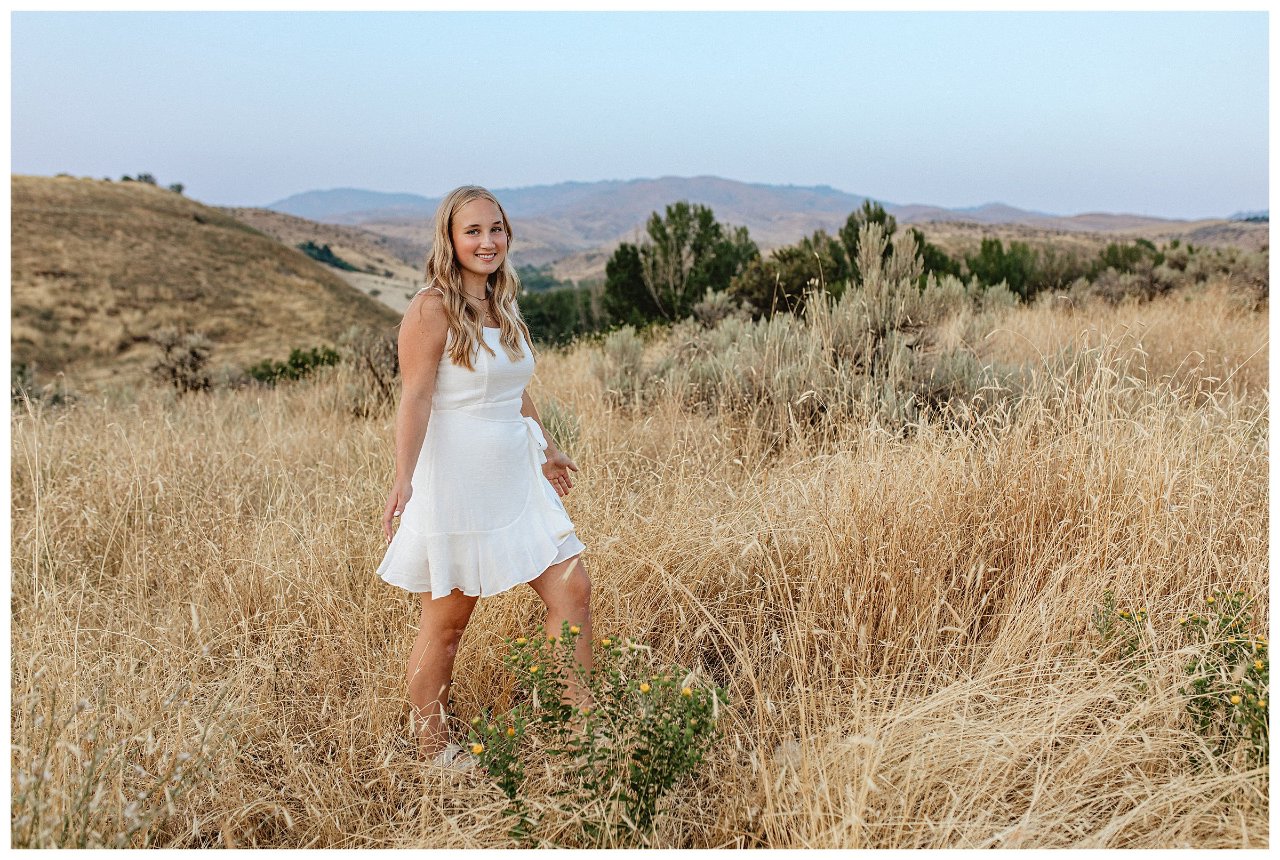
Ella Alexandra Nude vs Professional Portrait Photography Styles
The distinction between raw artistry and commercial portraiture often lies in the intent behind the lens. While professional portrait photography focuses on personality and social status through curated settings, styles like the ella alexandra nude explore human vulnerability and anatomical form. Both genres utilize sophisticated lighting to create depth, yet the former typically prioritizes a polished image. In contrast, fine art approaches seek an emotional resonance, stripping away traditional aesthetics to highlight the natural beauty of the human figure.
The Evolution of Modern Fine Art Photography
The evolution of modern fine art photography has shifted from rigid documentation to complex narrative-driven imagery. While traditional portraiture focused heavily on technical precision and formal posing, contemporary artists now prioritize the emotional resonance between the subject and the lens. This transition has allowed for a more fluid approach where the form meets abstract concept. When examining works like the ella alexandra nude series, one sees how the lack of clothing serves as a canvas for exploring texture, shadow, and human vulnerability.
Modern techniques utilize digital post-processing to manipulate light in ways that were once impossible in the traditional film darkroom. This progression has encouraged photographers to move beyond simple representation, instead using the body as a landscape for philosophical inquiry. As the medium continues to evolve, the distinction between commercial skill and artistic expression becomes increasingly blurred, as creators focus on the atmosphere of the moment rather than standard aesthetic perfection.
Artistic Intent in Nude Figure Studies
Artistic intent in nude figure studies focuses on the intersection of form, light, and human emotion. Unlike commercial portraits that prioritize personality or social status, works like the ella alexandra nude series explore the body as a landscape or a sculptural element. This approach often utilizes high-contrast lighting to emphasize musculature and skin texture, moving beyond simple representation.
Artists use these studies to convey themes of vulnerability, strength, and the natural state of the human form. By stripping away clothing and environmental context, the photographer forces the viewer to confront the raw geometry of the silhouette. This deliberate focus on composition ensures that the image remains aesthetic rather than merely provocative, elevating the subject into the realm of timeless fine art.
Technical Precision in High End Studio Portraits
High-end studio photography relies on meticulous control over the environment to achieve a polished aesthetic. Unlike candid shots, professional sessions utilize specialized softboxes and reflectors to eliminate harsh shadows while highlighting the contours of the human form. This precision is vital when capturing the ela alexandra nude style series, where every curve must be rendered with clarity.
Photographers often employ medium-format cameras to capture immense detail, ensuring skin textures remain realistic without distracting noise. By manipulating the depth of field, the artist transforms a simple portrait into a sophisticated piece of art that emphasizes technical mastery over raw spontaneity.
Analyzing Natural Lighting Effects on Skin Textures
Natural lighting plays a transformative role in how skin textures are captured in fine art photography. Unlike harsh studio strobes, soft daylight from a window can highlight the subtle contours of the body without creating artificial shadows. This approach is often seen in the ela alexandra nude series where the goal is to emphasize authenticity and organic beauty. By utilizing golden hour light or diffused overcast tones, photographers enhance the natural glow of the skin, resulting in a realistic visual narrative that feels both intimate and deeply connected to the viewer.
Minimalist Aesthetics in Contemporary Visual Art
Minimalist aesthetics rely on the power of negative space to highlight the human form. In the context of ella alexandra nude photography, artists often strip away complex backgrounds to focus on clean lines and silhouettes. This approach allows the viewer to appreciate the raw geometry of the body without visual distractions. By utilizing a limited palette and simple framing, the work achieves a timeless atmosphere that prioritizes elegance over ornate decorative artifice.
Comparing Composition Techniques Across Different Genres
Compositional strategies vary significantly depending on the artistic intent of the genre. In professional portrait photography, photographers often utilize the rule of thirds or leading lines to draw attention to the subject within a specific environment. In contrast, the approach in ella alexandra nude photography frequently focuses on the organic lines and negative space created by the human form.
- Traditional portraits often rely on shallow depth of field to isolate the person from the background.
- Artistic nude studies might use high-contrast lighting to emphasize texture and form.
- Symmetry is often employed in portraiture to convey a sense of formal balance. While one genre prioritizes storytelling through environmental cues, the other often prioritizes the raw geometry of light and shadow across the body.
Impact of Digital Media on Artistic Exposure
The rise of digital platforms has fundamentally altered how artistic photography reaches its audience. In the past, photographers were limited by physical galleries and print magazines. Today, creators like Ella Alexandra can reach global audiences instantly through social media and dedicated digital portfolios. This shift has allowed for more frequent experimentation with lighting and form without the high overhead costs of traditional gatekeepers.
However, this rapid exposure brings new challenges regarding the preservation of artistic intent. The sheer volume of content online means that a single image can easily become lost in a stream of data. Artists must now navigate complex algorithms to ensure their work is seen by intended viewers. Despite these hurdles, the democratization of media has empowered diverse voices to find niche communities that appreciate bold aesthetic choices and challenge established societal norms. The digital landscape ensures that the boundary between professional mastery and personal expression continues to blur.
The Role of Vulnerability in Expression
Vulnerability serves as the bridge between the raw subject and the final composition. In the context of an ella alexandra nude session, the absence of heavy artifice forces a level of emotional honesty that traditional portraiture often bypasses. This exposure is not merely about physical form but about the psychological courage to be seen without defensive layers.
Professional portrait photography frequently relies on controlled lighting and curated poses to project an image of perfection. However, when artistic expression prioritizes vulnerability, the focus shifts to the imperfections and genuine reactions. By stripping away social layers, the artist creates a space for intimacy that invites the viewer to interpret the subject's internal state. This raw emotional resonance transforms a simple image into a profound exploration of human identity and openness.
How Post Editing Influences Viewer Perception
Post-production serves as the final bridge between a raw capture and a finished masterpiece. In the context of an ella Alexandra nude session, subtle adjustments to lighting and color can shift the mood from raw realism to ethereal arture. High-contrast editing often emphasizes physical form and texture, while softer tones create a sense of intimate mystery.
- Color grading defines the emotional temperature of the portrait.
- Digital retouching removes distractions to focus on the subject's silhouette.
Ultimately, the editing choices dictate whether the viewer perceives the image as a candid moment or a highly constructed piece of fine photography.
Future Trends in Professional Digital Portraiture
The landscape of digital portraiture is shifting toward a fusion of raw authenticity and advanced technical precision. As we move further into 2026, photographers are moving away from heavily retouched aesthetics in favor of celebrating natural skin textures. This evolution is particularly evident in high-end fine art photography, where the nude focus remains on emotional vulnerability rather than artificial perfection.
Future trends suggest an increased reliance on immersive lighting techniques that mimic complex natural environments without losing the sense of intimacy. Additionally, there is a growing demand for non-destructive post-processing workflows that preserve the unique character of the subject. Viewers now seek imagery that tells a cohesive story, favoring candid moments over the overly posed compositions of the past. Ultimately, the most successful artists will be those who balance cutting-edge digital tools with a timeless commitment to the human element, ensuring the subject remains the focal point of every frame.
Final Thoughts on Artistic Versatility
The intersection of raw expression and polished technical portraiture highlights the incredible versatility of modern digital art. While professional portrait photography often focuses on lighting and composition to convey a specific persona, works like the ella alexandra nude explore a more vulnerable and unconstructed human element. Both styles serve distinct purposes within the creative landscape, allowing photographers to showcase mastery over technical gear or emotional authenticity.
As the industry continues to evolve, the boundaries between commercial excellence and fine art become increasingly blurred. Artists are now free to experiment with diverse aesthetics, blending high-end studio techniques with the naturalistic approach of intimate photography. Ultimately, the success of any portrait lies in its ability to evoke a genuine reaction from the viewer. By mastering these various stylistic approaches, creators ensure that the medium remains a dynamic and powerful tool for visual storytelling in 2026 and beyond.