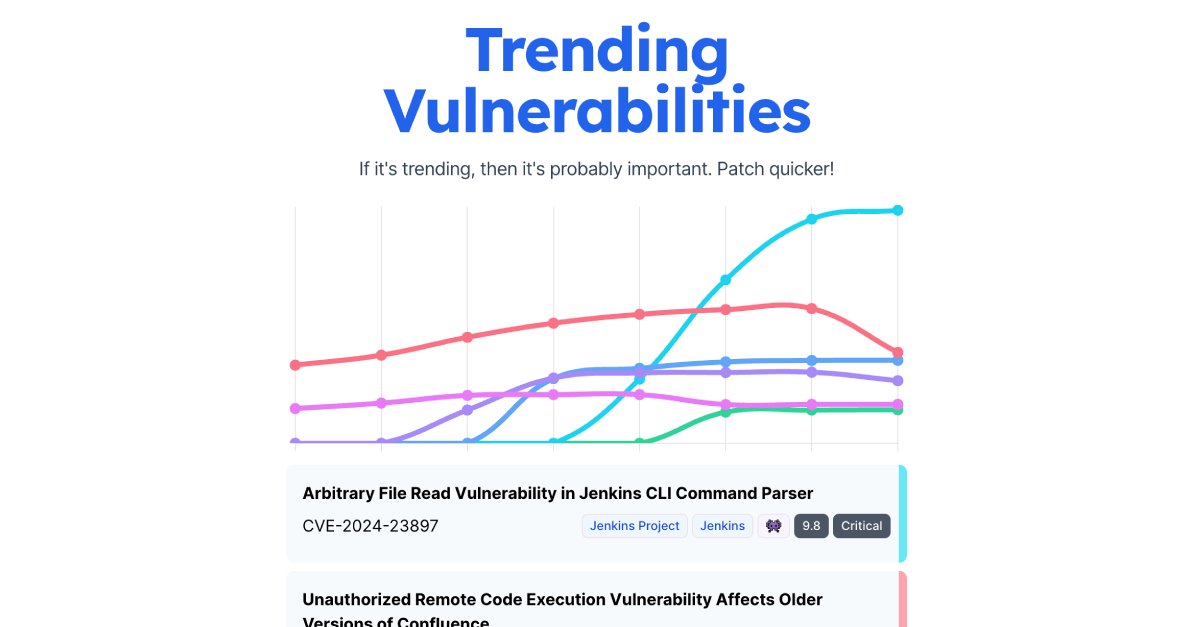
The Ash Kash leak reveals critical new data security vulnerabilities
The recent ash Kash leak has exposed significant flaws in how organizations protect sensitive information. This incident highlights how outdated encryption methods can fail to stop sophisticated unauthorized access to private databases. Security experts are now scrambling to re-evaluate defensive protocols to prevent similar exposures. Key concerns include:
- Inadequate multi-factor authentication
- Lack of robust data masking techniques
- Insufficient API security measures
Origins of the Ash Kash data breach incident
The origins of the breach trace back to a misconfigured cloud server managed by a third-party vendor. Investigators suggest that the vulnerability began when an unsecured API endpoint was exposed to the public internet without proper authentication protocols. This critical technical oversight allowed unauthorized actors to scrape vast databases containing sensitive records without triggering immediate security alerts.
Once the access was established, the data was systematically exfiltrated and prepared for distribution. The resulting ash kash leak gained significant traction when these datasets were posted on notorious dark web forums, exposing millions of individual profiles. While the organization initially claimed to have robust internal defenses, the lack of encryption at rest meant that the stolen information was immediately readable to anyone who accessed the files. This incident highlights the inherent risks of relying on external partners when rigorous security audits are not strictly enforced across the entire supply chain.
How the sensitive information was first exposed online
The exposure began when a misconfigured cloud server was left accessible without password-facing protection. Malicious actors discovered the open directory through automated web-scanning tools, allowing them to download massive datasets without bypassing traditional firewalls. Once the files were harvested, the ash kash leak spread across various dark web forums and encrypted messaging channels.
The leaked material included a variety of highly sensitive assets such as: - Unencrypted user profile details - Internal communication logs - Metadata revealing internal server network architectures
Because the data lacked robust access controls, the information remained available for public download for several days. By the time the vulnerability was identified, the information had already been mirrored on multiple independent sites, making complete removal efforts nearly impossible.
Technical flaws in the encryption protocols
The investigation into the ash kash leak highlighted significant failures in how the platform handled encrypted data. While the system claimed to use modern standards, the implementation utilized outdated algorithms that were susceptible to collision attacks. This allowed malicious actors to decrypt sensitive packets without triggering any immediate security alerts.
Furthermore, the lack of perfect forward secrecy meant that once a master key was intercepted, all historical communications became vulnerable. These technical flaws in the encryption protocols meant that user privacy was far weaker than promised. Addressing these issues requires a complete overhaul of the cryptographic architecture to ensure future data integrity and protection against unauthorized decryption.
Specific API weaknesses that allowed unauthorized access
The ash kash leak exposed several misconfigured API endpoints that lacked robust authentication checks. These specific weaknesses failed to properly validate session tokens, allowing attackers to bypass standard security layers. By exploiting unprotected request headers, unauthorized users extracted sensitive user metadata without triggering immediate alerts.
- Lack of rate limiting on data retrieval queries.
- Insecure object references leading to mass assignment vulnerabilities.
- Exposed internal database schemas.
These vulnerabilities highlight a critical failure in how the platform handled third-party integration requests.
Long-term consequences for digital platform integrity
The ash kash leak has forced a fundamental shift in how developers evaluate digital trust. Organizations now face intense pressure to overhaul their legacy security architectures to prevent recurring breaches. Beyond the immediate technical fixes, the long-term consequence involves a permanent erosion of user confidence. Platforms must implement radical transparency protocols and more rigorous encryption standards to rebuild their reputation, ensuring that sensitive data remains protected against an increasingly sophisticated threat landscape.
Immediate impact on affected users and organizations
The ash kash leak has triggered an immediate crisis for both individual users and large enterprises. Affected individuals face a heightened risk of identity theft and unauthorized financial transactions as sensitive credentials are now circulating on various dark web forums. Organizations are scrambling to contain the breach and determine the full extent of the data exposure within their infrastructure.
- Security teams are implementing mandatory password resets across all platforms to prevent further exploitation.
- Companies are monitoring for unusual login patterns associated with the leaked metadata.
- Regulatory bodies are beginning inquiries to assess compliance with global data protection standards.
The rapid spread of this information has left many vulnerable to sophisticated phishing attacks, forcing an urgent shift toward more robust authentication protocols to protect remaining digital assets.
Essential steps to secure your personal accounts
To mitigate the fallout from the ash kash leak, users must act immediately to safeguard their digital footprint. The first priority is changing passwords for all sensitive accounts, particularly email and primary financial services. Ensure these new credentials are unique and complex, utilizing a password manager to prevent breach in one area from compromising your entire identity.
Next, enable multi-factor authentication (MFA) across every possible platform. This adds a critical layer of security that prevents unauthorized access even if malicious actors possess your password. It is also vital to review recent bank statements and credit reports for any suspicious activity.
If you used the same credentials on third-party sites that were not directly affected, update those accounts as well. Regularly monitoring for breach notifications and keeping software updated can significantly reduce the long-term risks associated with stolen data. Staying proactive is the best defense against the vulnerabilities exposed by this recent data incident.
Assessing the risk of identity theft attacks
Assessing the impact of the ash kash leak requires a clear understanding of how attackers utilize exposed data. When sensitive credentials become public, threat actors often deploy automated scripts to gain unauthorized access to financial institutions and social media platforms. You must evaluate which of your accounts share the compromised password, as these represent the highest risk for exploitation.
- Monitor for unusual login attempts on your banking apps.
- Review recent statements for unauthorized transactions or small test charges.
- Verify that your multi-factor authentication remains active on all linked e-mail accounts.
By identifying high-value targets early, you can prioritize defensive measures before an identity theft attack occurs. Proactive assessment remains the most effective way to mitigate the damage caused by massive data breaches.
Advanced monitoring tools to detect leaked credentials
To mitigate the fallout from the ash kash leak, organizations must deploy sophisticated monitoring solutions that scan the dark web continuously. These advanced tools help track compromised credentials before they can be exploited by malicious actors. By integrating real-time alerts, security teams can identify unusual login patterns that suggest account takeover attempts.
- Automated alerts for password matches found in known breaches.
- Behavioral analytics to detect anomalous access from geographic locations.
- Integration with identity access management to force password resets for high-risk accounts.
Implementing these measures ensures that leaked data remains neutralized, protecting sensitive corporate assets.
Future trends in corporate data protection standards
As the digital landscape evolves, corporate data protection standards are shifting from reactive measures to proactive resilience. The recent ash kash leak underscores that organizations must move beyond simple perimeter security toward zero-trust architectures to remain viable. Future frameworks will likely prioritize automated data classification and granular encryption to ensure that even if a breach occurs, the information remains inaccessible to unauthorized actors.
We can anticipate widespread integration of AI-driven threat modeling that identifies anomalous patterns before they escalate into major incidents. Regulatory bodies are also expected to demand higher transparency regarding data handling practices, forcing companies to maintain rigorous audit trails of all sensitive information. Organizations will focus on identity-centric security, where continuous authentication becomes the norm to counter sophisticated social engineering attacks. By adopting these advanced standards now, businesses can mitigate the impact of future credential exposures and build long-term trust in an increasingly volatile global data environment.
Final outlook on evolving cybersecurity defense measures
The landscape of digital security demands a fundamental shift from reactive patching to proactive resilience. As the fallout from the ash kash leak has demonstrated, traditional perimeter defenses are no longer sufficient against sophisticated extraction techniques. Organizations must now prioritize zero-trust architectures where every access request is continuously verified, regardless of its origin.
Moving forward, the integration of advanced AI-driven threat detection will be standard for identifying anomalies before they escalate into full-scale breaches. Security audits must evolve beyond annual compliance checks to include real-time monitoring vulnerability assessments. Furthermore, maintaining robust encryption protocols is essential to ensure that data remains useless even if unauthorized access occurs.
Ultimately, the future of corporate cybersecurity depends on fostering a culture of constant vigilance and rapid incident response. By combining technical innovation with rigorous employee awareness programs, companies can better navigate the risks inherent in an increasingly interconnected global network and protect their most sensitive assets from emerging digital threats.